
With Christmas shopping season upon us, and department stores and stations about to fill with people who have forgotten how stairs, lifts, and escalators work, it seems the right moment for a refresher.
So, who goes up first, who comes down first, and who, if anyone, may speak in a lift?
Spot of brandy?
Escalators haven't always been taken for granted. On 16th November 1898, which makes it 128 years ago this week, Harrods unveiled England's first "moving staircase".
This staircase wasn't really a staircase at all, and nowhere near as magical as the shifting staircases J.K. Rowling later dreamt up for Hogwarts. It was a leather conveyor belt with a mahogany balustrade, and it only went up. Some would say that sums up Harrods.
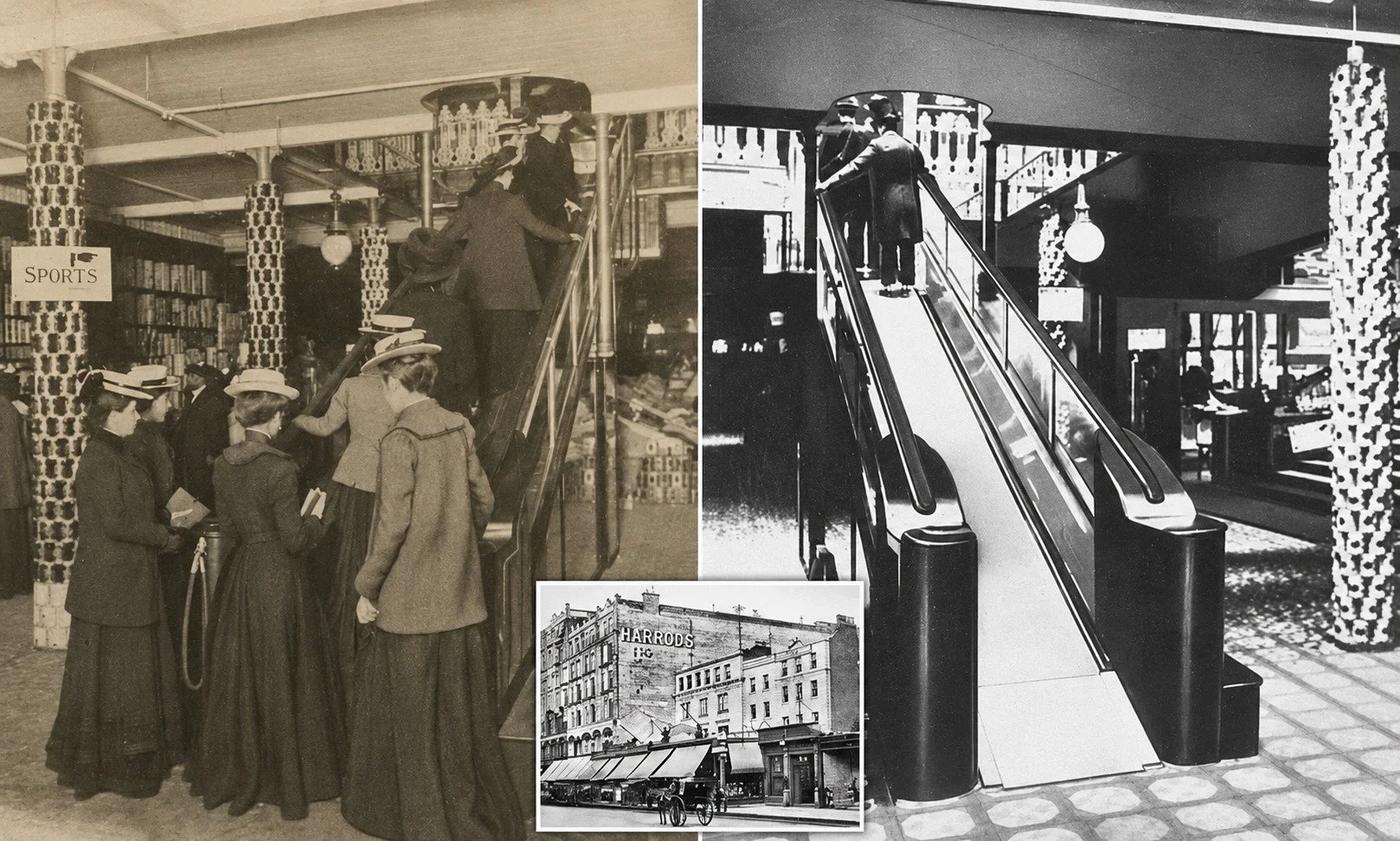
The experience was considered so harrowing that staff stood at the top offering brandy and smelling salts to revive shoppers after their ordeal. Must have been terrible...
Going up in the world
The lift, of course, is older still. Hoists had carried goods for centuries, but nobody sensible rode in one, because if the rope snapped, so did you.
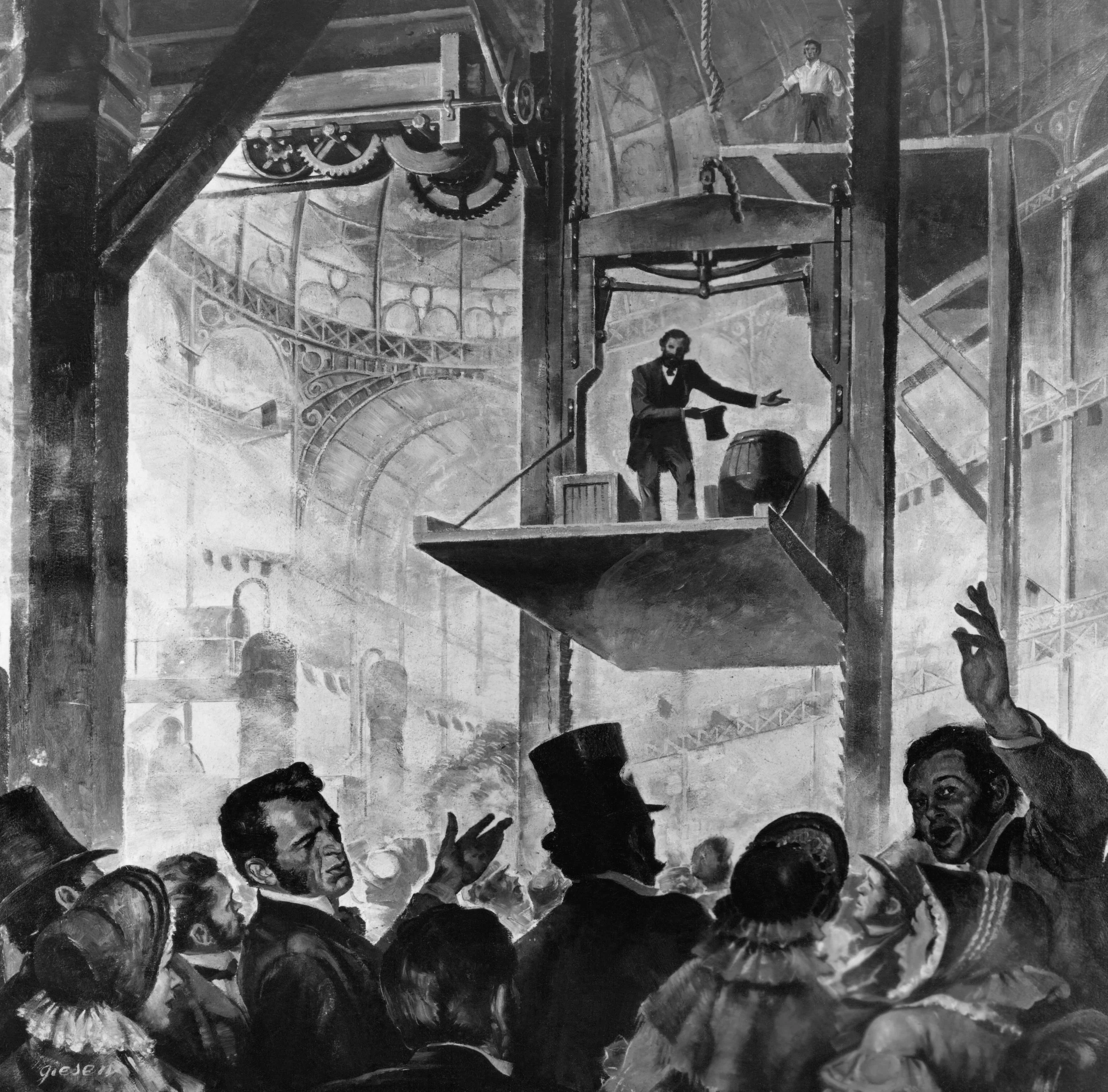
Enter Elisha Otis, who didn't invent the lift so much as invent not falling out of one. In May 1854, at the Crystal Palace in New York, he rode an open platform high above the crowd and had the only rope holding it cut with an axe. His safety brake held, and so did his reputation.
It's a lift, not an elevator, by the way
A note on vocabulary. They are lifts. They are only called "elevators" in the United States, where the buildings are taller and the conversations in them, regrettably, longer.
Up first, down last
On stairs, and so on escalators, precedence depends on direction. The more important person goes up first, but comes down last, with the junior leading the way.
This goes back to medieval chivalry and is entirely practical. Going up, the person behind is there to catch anyone who stumbles. Coming down, the person in front acts as a sort of courtly crash barrier.
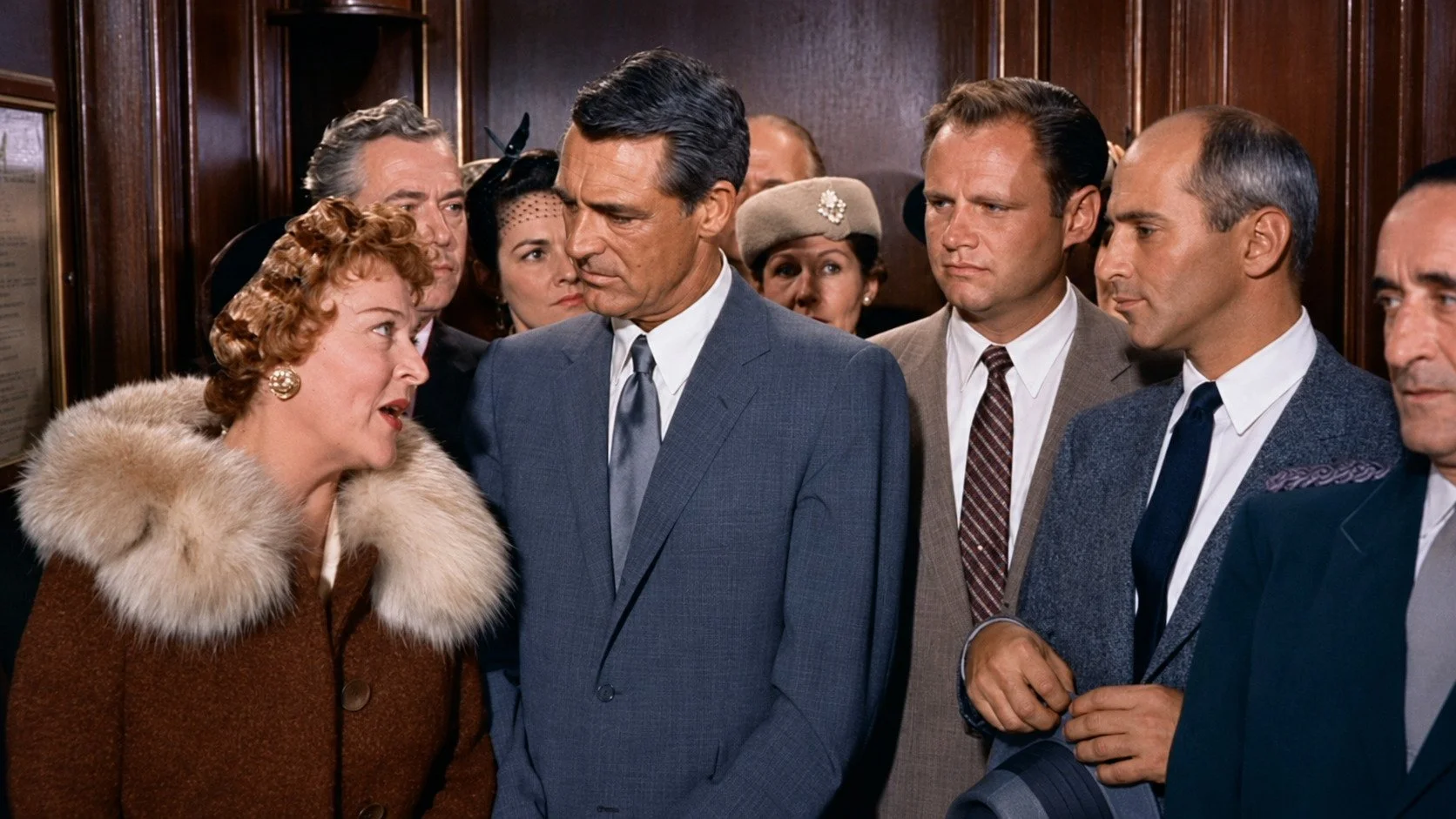
How you define "more important" is up to you: age, rank or whoever is paying for lunch.
Which floor? Lift etiquette, revisited
Long-standing readers may remember my lift guide from one of my very first newsletters. Here is the essential version.
Going in: the most senior person enters first. At work, that means rank rather than age or gender, and a client outranks everyone, including your boss.
Getting out: whoever is nearest the door. Nine times out of ten, unless a Viennese waltz has been attempted while travelling along the shaft, that will be the person who got in last: the junior. Hotel porters who insist you exit first, so you brush past them into a corridor you've never seen before, please take note.
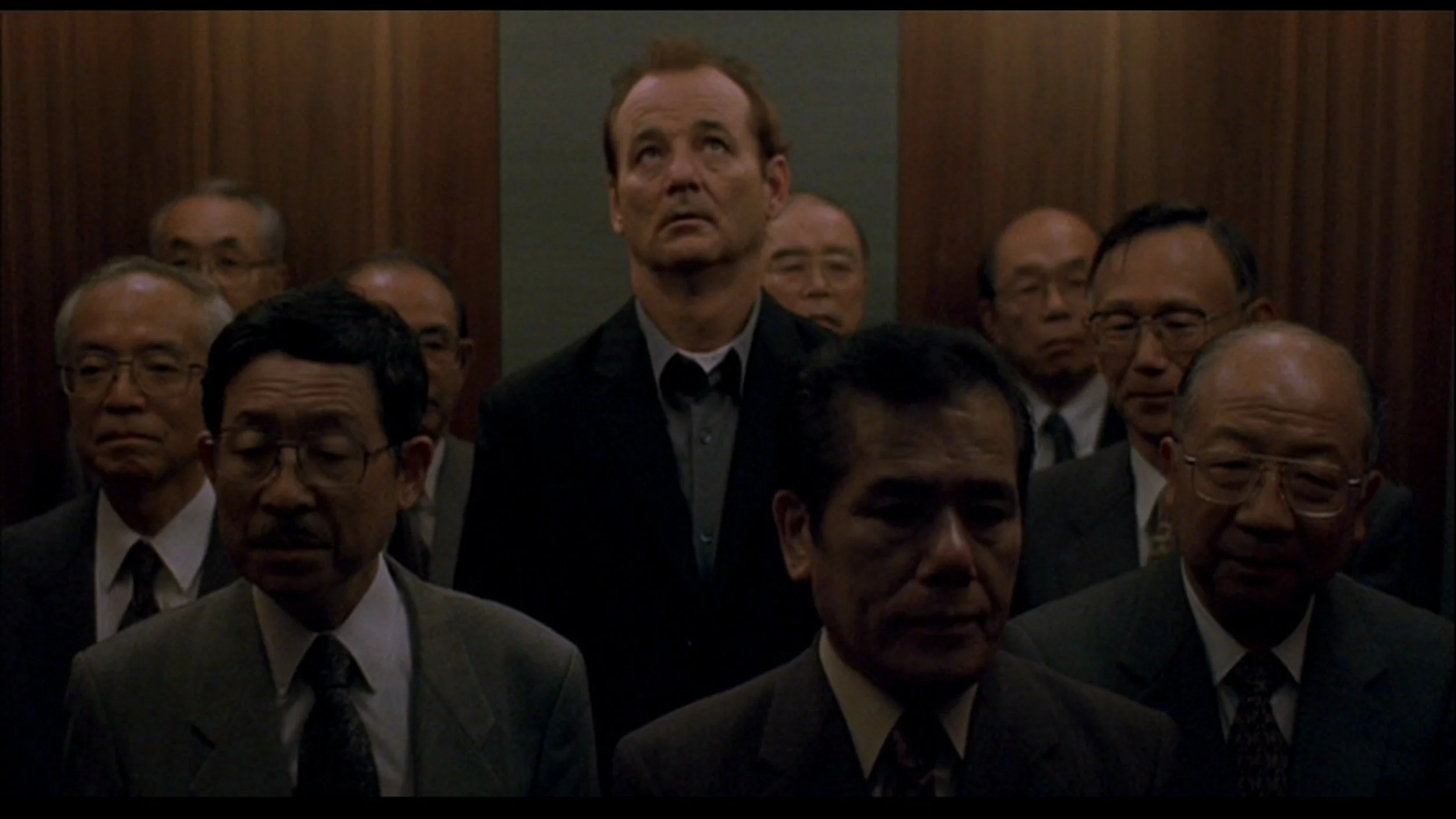
In motion: silence, unless you know everyone in the lift. Newcomers may be greeted with a slight nod or a tight-lipped smile.
Speak at your peril
British lifts tend to be small and pokey, which may explain our horror of conversation in them. Miriam Margolyes, Professor Sprout to Harry Potter fans, knows this well. In a packed, silent lift at BBC Broadcasting House, she asked a young researcher, slowly and loudly, 'Wasn't Steve Coogan good...' playing a certain disgraced BBC presenter. The poor chap wanted to die apparently.
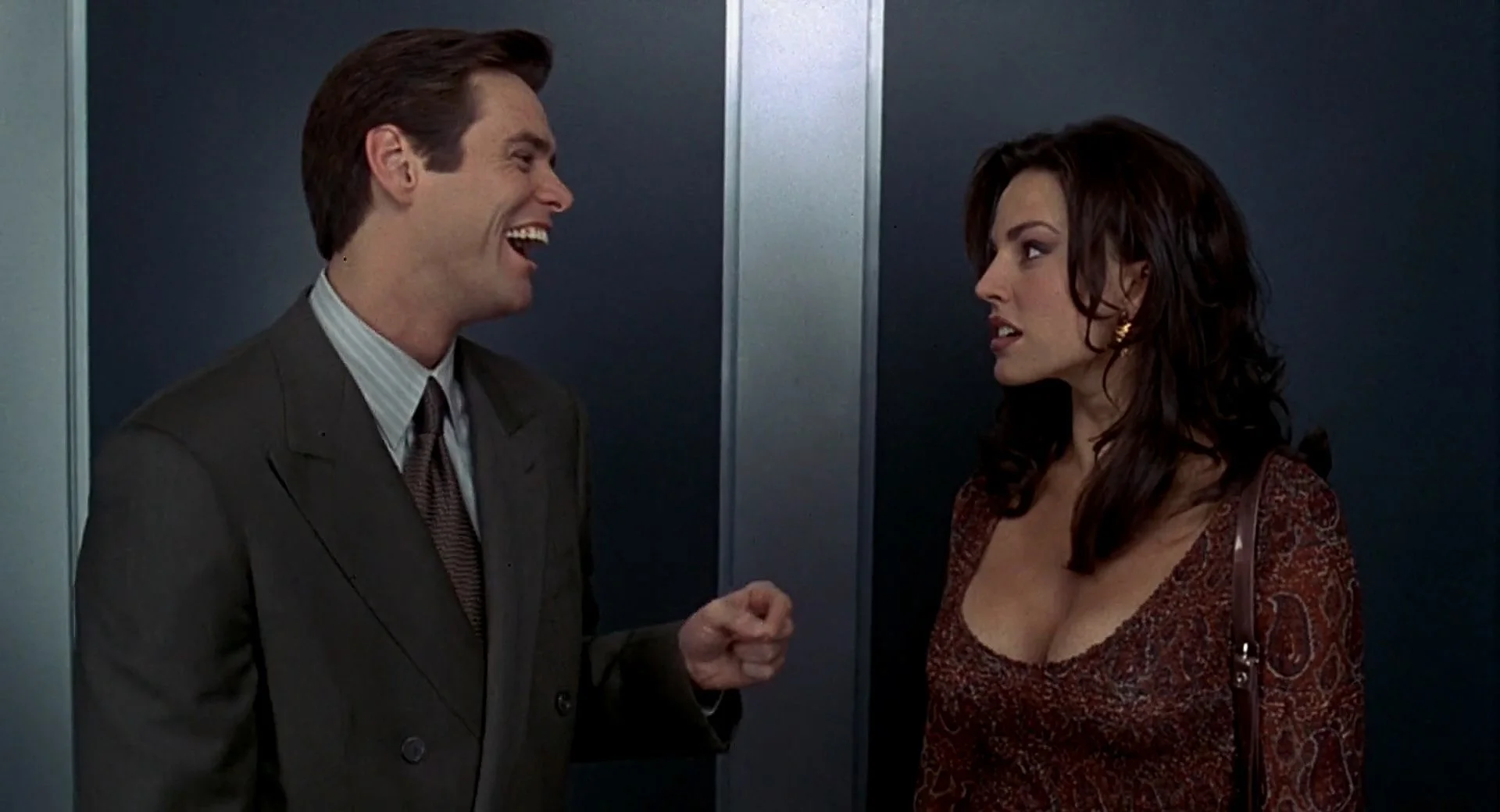
Just remember: going up, the senior leads. Coming down, the junior goes first. In the lift, whoever is nearest the door gets out, and nobody says a word.
Yours upwardly,