
The Duties Of A Great Guest
One could argue that being a good guest begins with knowing how to be a good host. When you understand the effort and consideration involved in entertaining, you are more likely to appreciate the demands your presence places on your host. Enjoying another’s hospitality is all very well, but good manners suggest that such generosity should be returned, and you can do this by knowing what your duties are as a good guest.
Show up late, ish
Late is on time, at least traditionally. Showing up ten minutes 'late' is a good guide to follow as many hosts still need to do all those small jobs they may have missed before the onslaught of guests arriving. The stated time upon invitation is more a come from time, and certainly not a we are eating at time. As a host, I’d rather a guest was thirty minutes late than ten minutes early. If ten is too anxiety-inducing (for you or your host), five minutes late is the new sweet spot.
Be mindful of cultural context
There are many cultures, however, that have a ‘polychronic’ approach to timekeeping (that’s academic speak for ‘late’). In Italy, for example, a dinner invitation may be for eight o’clock, but you can be sure you won’t be eating until at least nine o’clock, if you’re lucky, and probably half past nine.
Do not ever be "fashionably late"
There is no such thing as fashionably late. It's just being late. Whether intentionally or carelessly, it's always rude.
If you are genuinely going to be late, these tips should help. First, let your host know as soon as you know you'll be late. Second, you may share your location with them so they have some peace of mind you will show up and can anticipate your arrival, such is the Uberisation of our schedules.
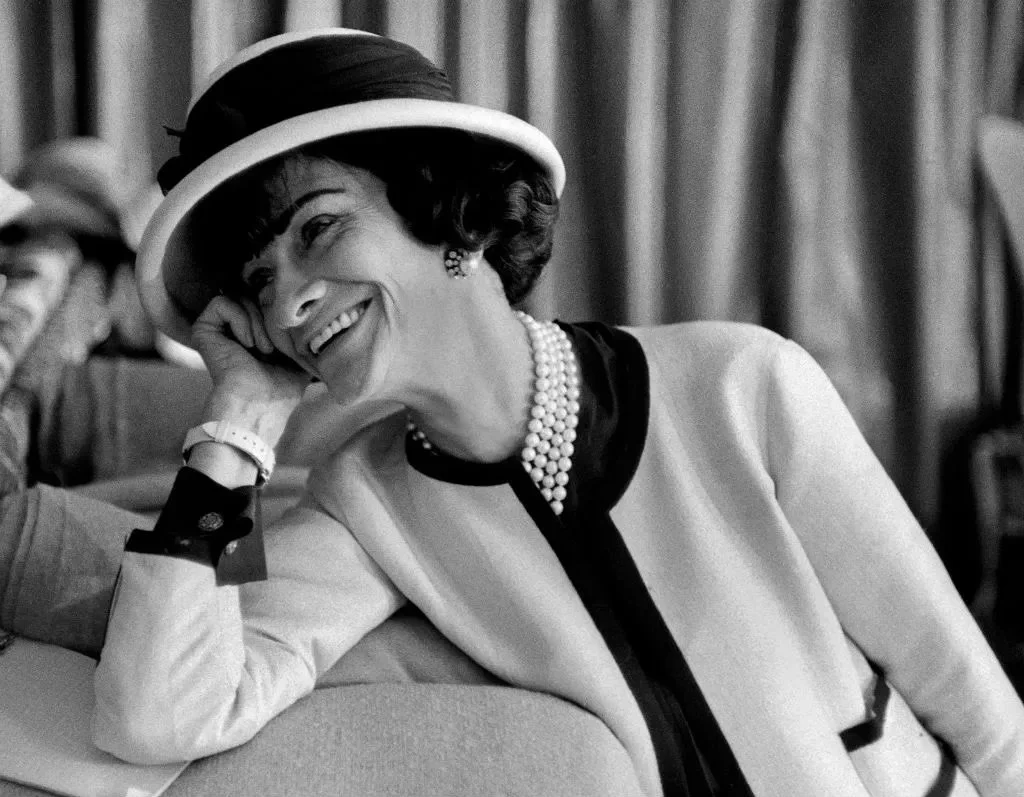
It has been noted that Coco Chanel often arrived late to her own fashion shows. This created immense anxiety among staff but purportedly was a deliberate strategy to build tension, mystique, and drama around her brand.
Don't show up empty-handed
Unless you are familiar with your host's taste in wine, arriving with a bottle of Echo Falls will not a gift make, under any circumstances. It was once considered something of a slight, suggesting that the host's own choice of wine might not be up to standard, though younger generations tend to be far less concerned and are usually pleased by the gesture. Even so, if you do decide to bring wine, make sure it is something your hosts will genuinely enjoy.
Think outside the box
Champagne is a nice alternative, though same principles apply. Some luxury chocolates can work universally.
In Japan, they like to bring fine cuts of steak to each other’s houses as a gift. Thankfully, the habit of turning up with a prime chunk of top rump or A5 Wagyu, however delicious it may be, has not yet penetrated British shores.

Flowers are fantastic but send them earlier on or in the following days; best not to turn up with them on the door, otherwise your host has to go on florist duties amidst everything else they're trying to sort out.
Keep your hands out of your host's drawers
British television shows have normalised the idea that a guest has the right to have a fumble around upstairs.
Au contraire. Anything on display in front of you is fine; photographs on the mantle and assorted objets d’art is okay – but look, don’t touch.
Don't ask for the Wi-Fi password
You've got weak signal. So what? You're not there to scroll. Unless a guest is planning on staying for the weekend, there is really no need for them to ask for the Wi-Fi password. You do not need the internet to make polite conversation with the real-life people around you.
The only exception being, for example, that you must be contactable for emergencies due to unique circumstances with family or your partner. Otherwise, embrace the digital disconnect.
Yours honourably,