
How To Queue Like The British
There is an old joke, often attributed to the Hungarian humourist George Mikes, that an Englishman, even when entirely alone, will form an orderly queue of one.
I have never found this quite as far-fetched as it sounds. Show a Brit an empty pavement and the faintest rumour that something might eventually be handed out at the far end of it, and a queue will materialise within minutes, fully self-policed, with nobody remotely in charge and everybody furious in silence.
Queueing might be our purest national sport. We rarely win at football. Hand us a line to stand in, however, and we are, without question, undefeated world champions, even at the top of a mountain. We'll get to that recent controversy very shortly.
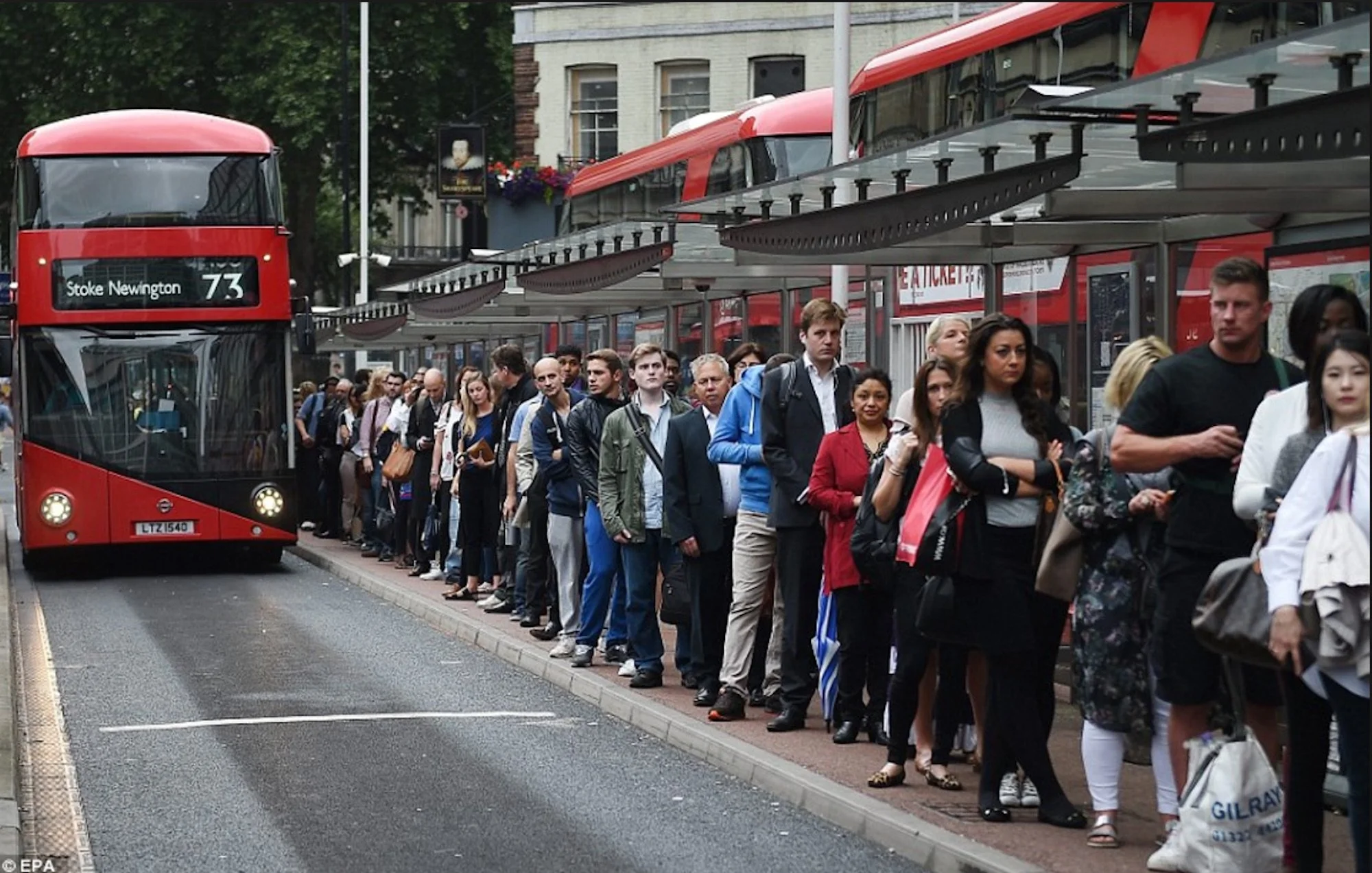
Why are we a nation of queuers?
Historians trace the modern orderly queue back to the early nineteenth century, a rather unglamorous by-product of the Industrial Revolution and the sudden crowding of strangers into cities. Pack enough people around a single shop counter or ticket window, and some system has to emerge before elbows start flying. "Whoever got here first goes first" turned out to be the fairest one available, and we have stubbornly refused to improve on it since.
Rationing during the Second World War meant queueing for absolutely everything, and 'waiting your turn' hardened into something close to a patriotic duty, with queue-jumpers regarded as letting the side down.
Rules of the queue
1. First come, first served, no exceptions
This is the entire constitutional basis of the system, and there is no clause allowing for exemptions on the grounds that you are, actually, in rather more of a hurry than everyone else or that you're status in society somehow demands expedition.
Elizabeth II's lying-in-state was the ultimate demonstration of the British queueing spirit.
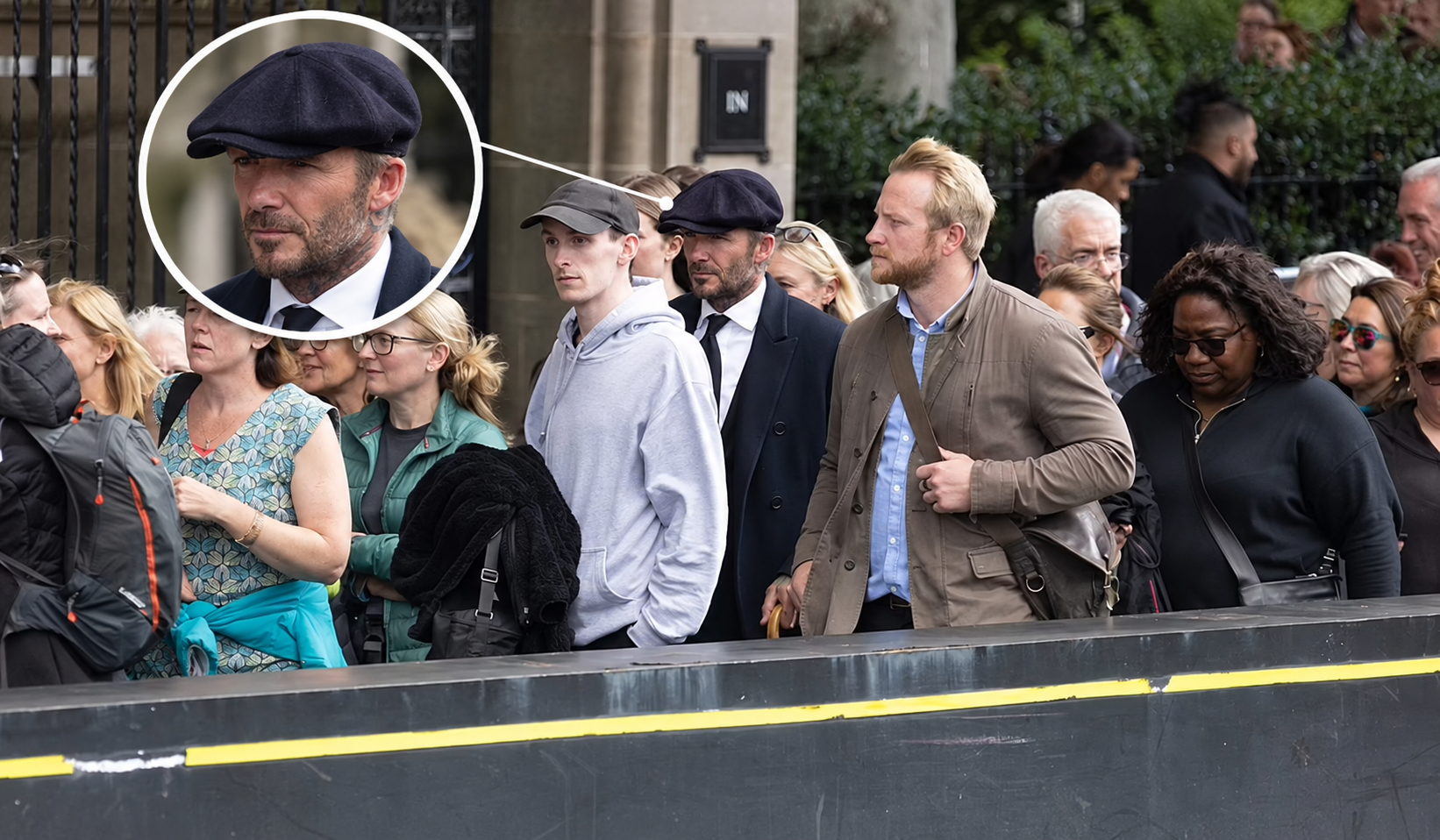
In a world of ex-TV presenters, be a David Beckham.
2. Silent, communal record-keeping
Even in a queue with no visible structure, such as waiting to be served at a bar, Brits maintain a flawless, unwritten mental register of who arrived before whom. Try to jump it and you will not be shouted at. You will simply be catalogued, permanently, as a bad person.
3. No visible outrage
Should someone push in, the correct British response is not confrontation. It is a sharp intake of breath, a raised eyebrow, and possibly one meaningful cough aimed roughly in their direction. We do not make scenes. We simply ensure the offender knows, entirely telepathically, that they have been noticed, judged, and found wanting.
4. Holding a place is a serious responsibility
Step out to take a call or fetch a coffee, and you are relying entirely on the goodwill of strangers to remember exactly where you stood. This goodwill is real, but it is not bottomless, and testing it more than once a queue is generally considered cheek.
5. Do as the locals do when overseas
Americans, to their great credit, are also excellent queuers, sharing much the same instinct for fair play. Our continental cousins, sadly, tend to lack the disposition entirely, and anyone who has attempted to queue at a bar in Rome or a check-in desk in Paris will know precisely the sinking feeling I mean. I once found myself, alongside a British friend, physically blocking a stream of queue-jumpers at Disneyland Shanghai. It was, without exaggeration, more thrilling than the ride we were queueing for.
Snowdongate

Just this summer, walkers on Yr Wyddfa (Snowdon) found themselves queueing at the summit itself, not for a bus or a bar, but simply for the privilege of standing on the trig point for their photograph. Videos of hikers refusing to wait their turn caused enough of a stir that the national park authority had to publicly confirm it had no plans to intervene, leaving it to what they rather diplomatically called "self-policing."
The rule of thumb
The queue only functions because everyone silently agrees to honour its purpose in the first place (not in pubs, for example), with little enforcement beyond mutual glaring and the occasional tut. Join at the back, wait your turn, and never, ever make us say something out loud about it.
Yours patiently,
William